
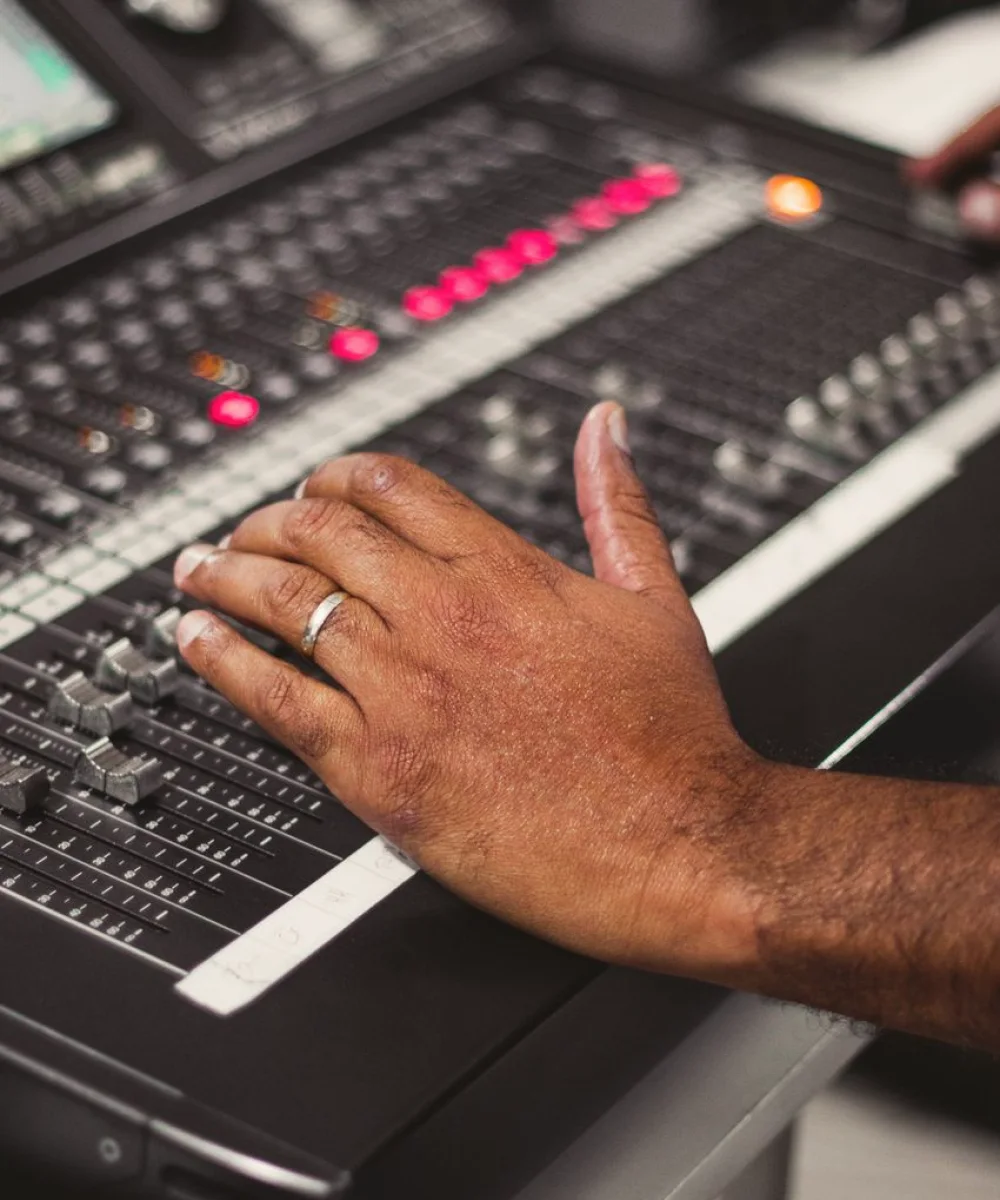
Why we talk about price openly
I have spent a good part of my working life in galleries, and I have seen budgets go wrong when nobody agreed on scope at the start. So we describe what a guide or review covers before any figure is discussed, and we write that scope down in plain language. This article sets out the factors that move the price, so you can judge a quote from us or anyone else on its merits.
We do not publish a fixed price list, because the starting condition of each studio differs too much for one number to be honest. What we can do is explain the drivers in the order they usually matter.
Camera count and how alike the cameras are
The first driver is the number of cameras, but the second matters nearly as much: how alike they are. Four cameras of the same model, fitted with matching lenses and running the same firmware, behave predictably. We build one reference configuration, check it on a second unit, and the remaining cameras follow with little extra effort.
A mixed fleet is different. A studio that has grown by adding whichever camera was available has different menus, different colour matrix options and different ways of storing settings. Each type needs its own notes and its own testing, so the time spent rises with every distinct model rather than with every body on the pedestal.
If you can send us a list of makes, models, firmware versions and lens types before we start, the estimate becomes far more accurate. If you cannot, a short audit at the beginning is usually worth paying for, because it removes guesswork from everything that follows.
- Number of cameras in the room
- Number of distinct models and firmware versions
- Whether lenses are matched across the cameras
Lenses, tally and camera control
Lenses add cost in a quiet way. Zoom and focus demands, servo controls, back focus checks and the condition of the glass all take time to verify properly. A studio lens that has drifted out of calibration will make any careful camera setup look inconsistent, so we check this before we trust any other measurement.
Tally and camera control are the other large block of work. Getting a tally light to follow the vision mixer is simple on paper, but it depends on the protocol, the cabling and how the gallery was wired. Remote camera control, where a shader adjusts iris and colour from the gallery, adds testing across every unit and every control panel setting.
Where the control system is already well documented, this section moves quickly. Where wiring is undocumented or labels have worn away, we spend real hours tracing connections, and that is time we cannot avoid if the result is to be dependable.
- Servo zoom and focus calibration
- Tally protocol and wiring checks
- Remote iris and colour control testing
Documentation and the level of detail you want
A camera configuration guide can be a one-page reference or a full manual with photographs, menu paths and recovery steps. Both are reasonable, and the difference in price comes from the writing and checking, not from the cameras. A full manual means we repeat each procedure while documenting it, so that someone with no prior knowledge of your studio could follow it.
Think about who will use the guide. If only your lead engineer will read it, a concise reference is often enough. If freelance operators arrive on different days and need to bring the cameras to a known state quickly, a more detailed guide saves far more than it costs across a year of productions.
We also keep the guide in step with the room. If you add a camera or change a lens after we finish, a short update is much cheaper than a rewrite, provided the original structure was built to accept changes.
On-site time, remote work and timing
Some of the work can be done remotely, such as reviewing your existing notes, planning the structure and drafting the guide. The hands-on parts, including lens checks, chart work and tally testing, need someone in the studio with the cameras powered and free from live use.
Studio access therefore shapes the price. A room that can be given to us for a full uninterrupted day costs less in total than one where we work in short gaps between recordings, because every restart means rebuilding the test conditions. Planning a quiet slot, which is easier in these autumn weeks before the busier run of seasonal shows, often helps.
Travel from Oxford is a smaller factor than people expect, but we state it separately so it never hides inside another line. If your studio is a long way off, we will say so at the outset and suggest which parts can be handled from here.
- Uninterrupted studio access
- Remote review and drafting
- Travel stated as its own line
How to get a fair estimate from us
The simplest route is to write to us with a short description of the room: how many cameras, what models you know about, what control system sits in the gallery, and what problem prompted the enquiry. A photograph of the camera positions and the control panel is more useful than a long email.
From that we can suggest whether a light review, a full configuration guide or a combination fits your situation, and we will name what each includes and what it leaves out. If the first conversation shows that you need less than you expected, we will say so rather than sell you more.
You will receive the scope and the figure in writing before work begins, and any change in scope during the work is discussed with you first. That is the most reliable protection against surprises, for you and for us.
Camera configuration guidance costs what the room demands: how many different cameras, how well the lenses and wiring are documented, how detailed you want the guide, and how much uninterrupted time we have in the studio. None of this is mysterious, and none of it should be hidden in a quote. If you send us a clear description of your setup, we will tell you what we think is needed and why.
Further reading
-
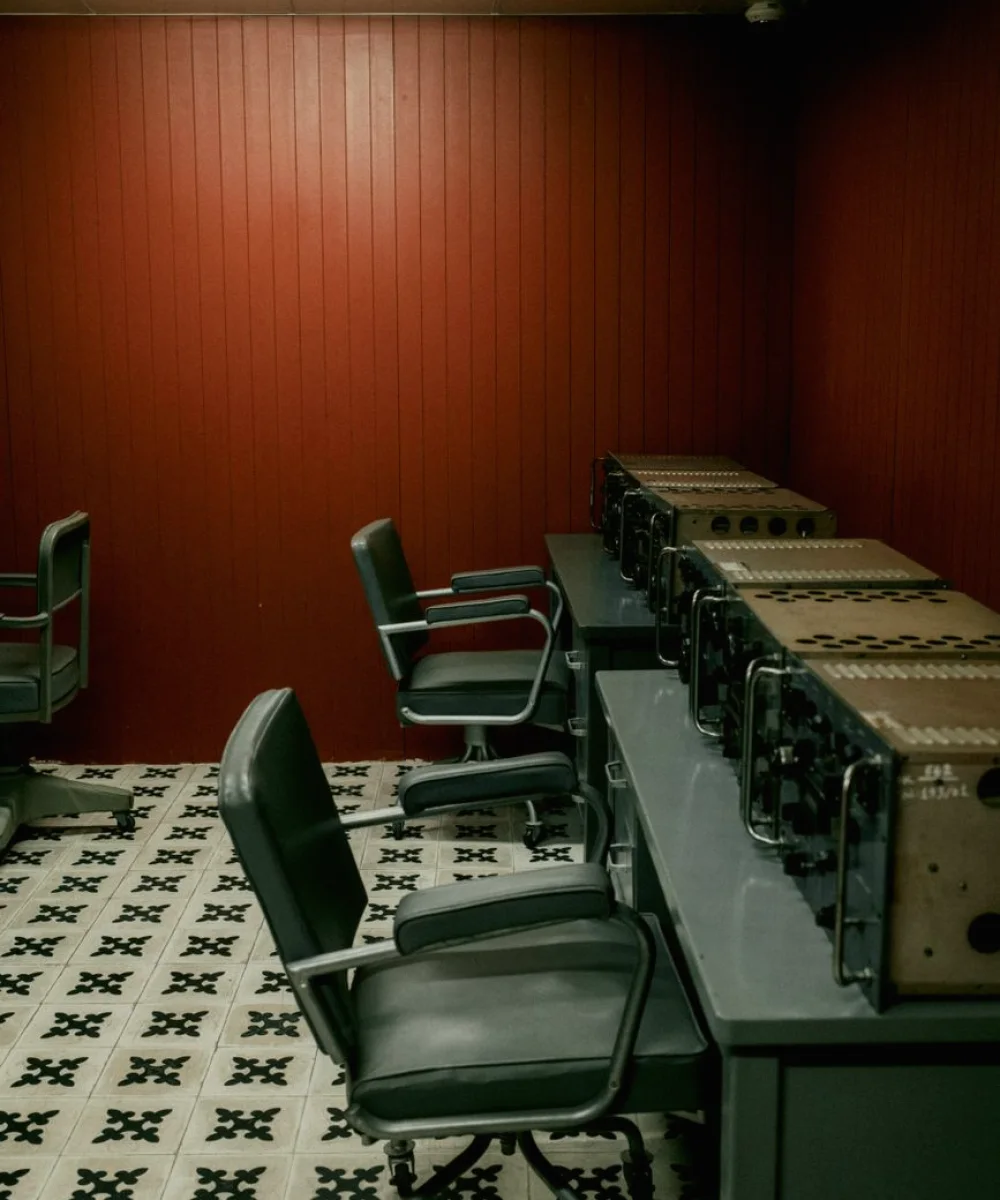
Tally, Cue and Talkback: Gallery Terms Explained in Plain Words
A short glossary of the words heard most often in a working gallery, from tally and cue to talkback and take, explained so a new crew member can follow along.
-
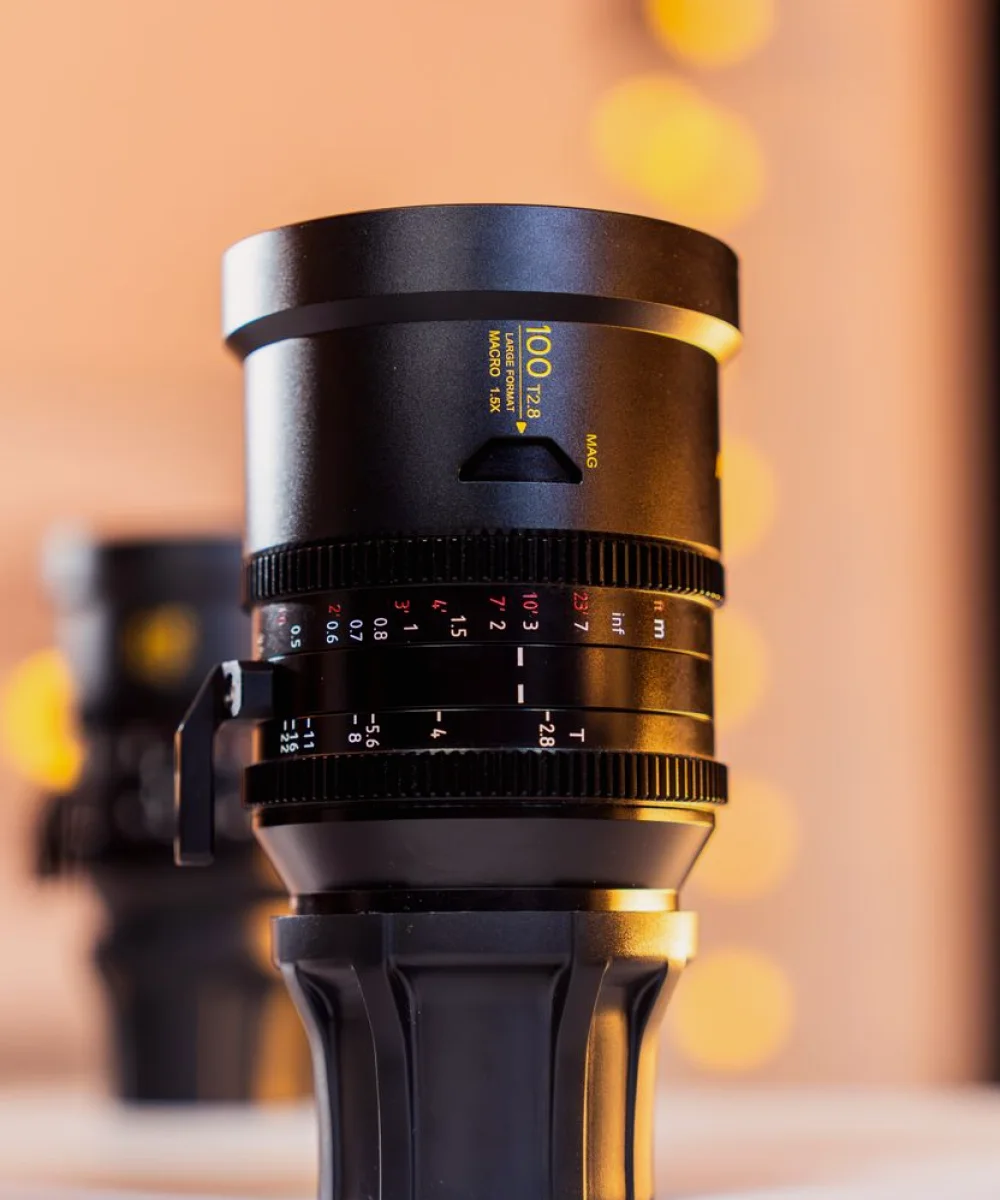
What Our Camera Configuration Guides Now Cover, and Why We Reworked Them
Our camera configuration guides have been reorganised around the order engineers actually work in: lens, tally, camera control, then matching. Here is what changed and how to use them.
-
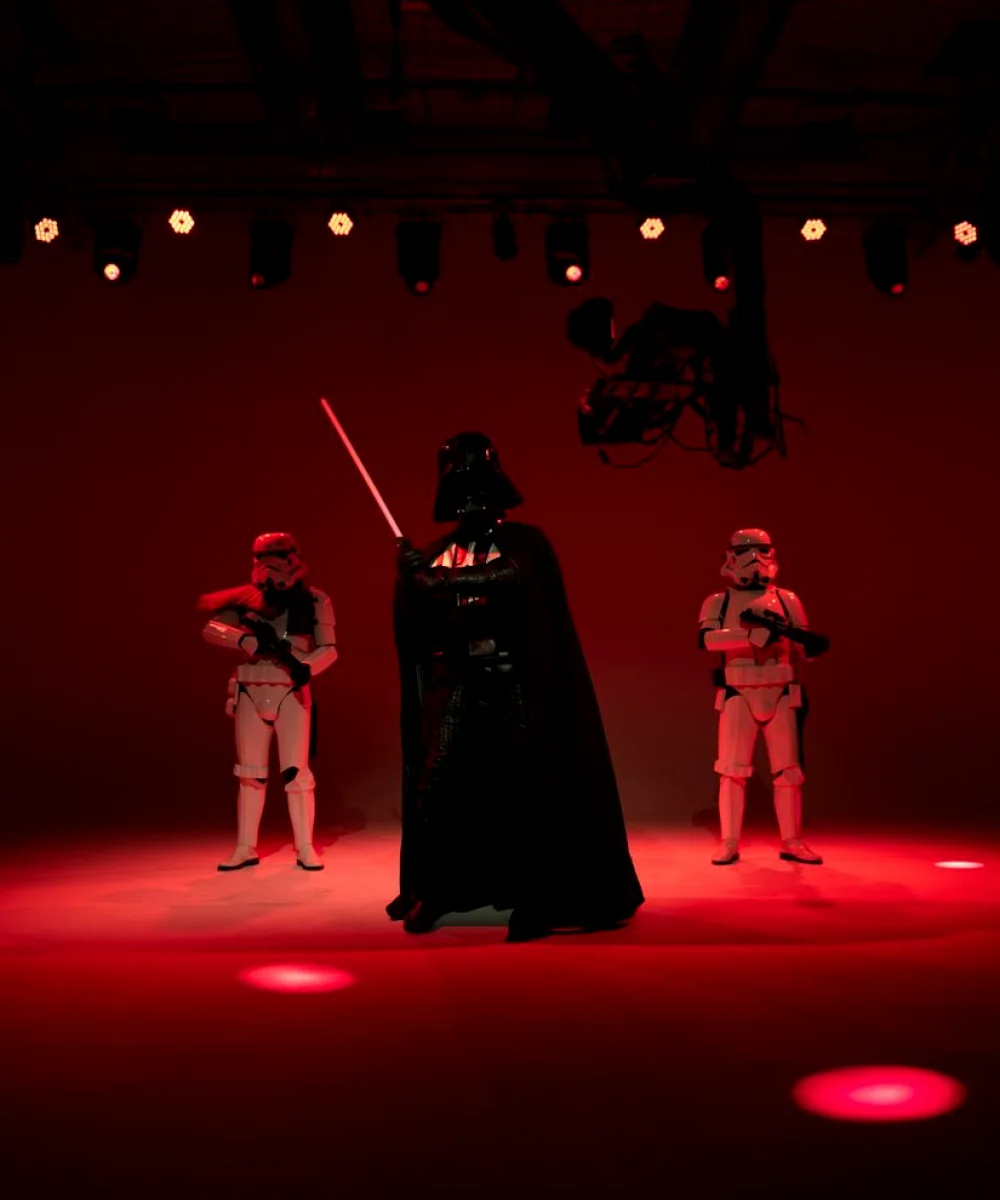
A Stage Lighting Checklist to Work Through Before You Decide
Before you commit to a lighting plot, colour temperature or dimming setup, this checklist covers the questions that matter most for presenters, sets and live audiences in a working studio.