
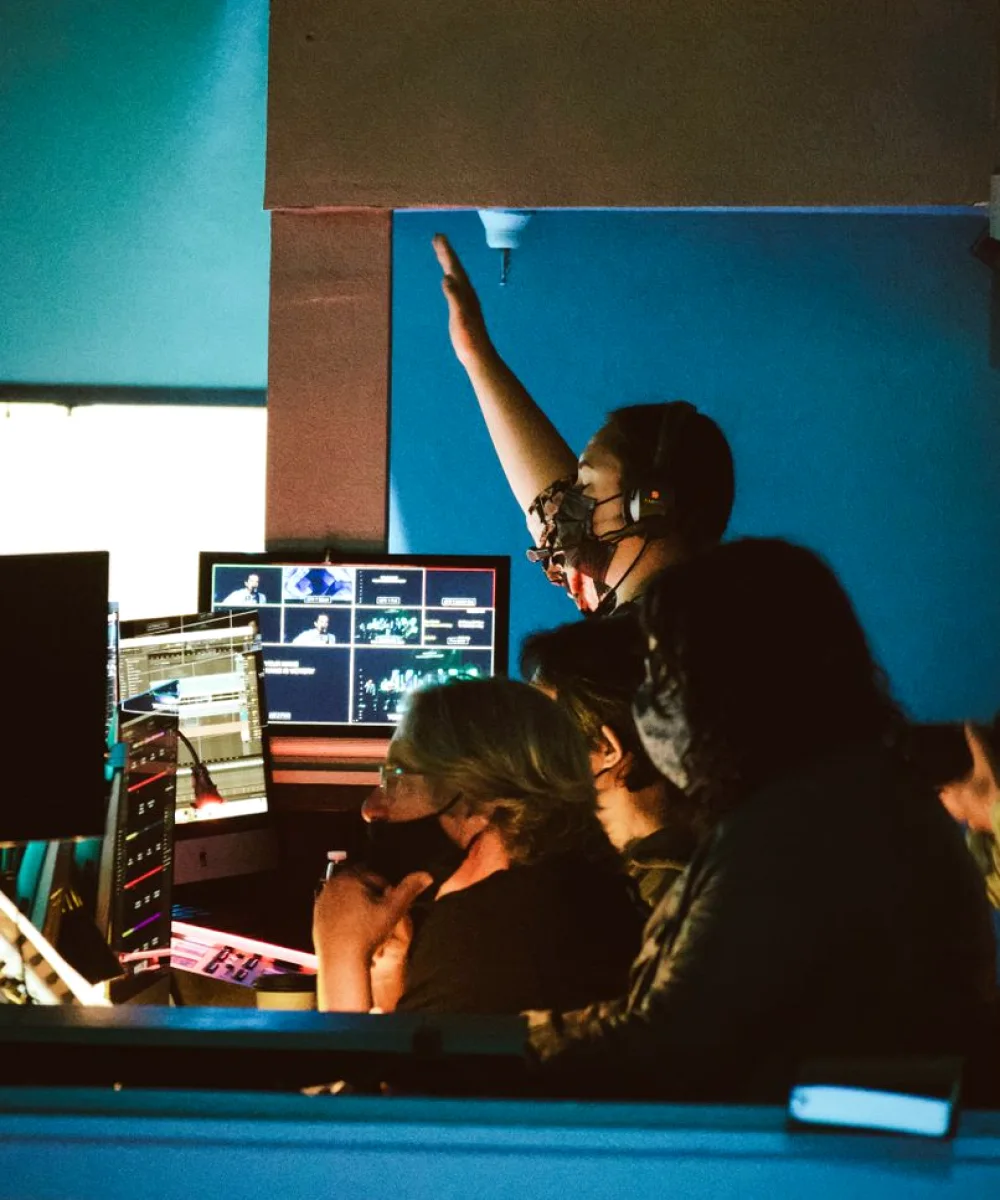
Why lighting rarely has a single price
What you are paying for is mostly thinking time and measurement rather than equipment. That means a plot that works with the fixtures you already own, colour temperature choices that stay consistent across cameras, and a dimming scheme that the operators can actually run. Fixtures are a separate matter and I treat them separately, because mixing the two in one number hides where the money goes.
It helps to ask any adviser what is included before comparing quotes. One figure may cover a site visit and a written plot, another only a remote review of photographs. They are not the same service, and the lower number is not always the cheaper outcome.
The factors that move the cost most
Across the reviews we have done, a handful of things account for most of the difference in effort. The first is the number of distinct looks the space must deliver. A single static set needs one plot. A studio that switches between a news desk, an interview area and a standing presenter position needs each one balanced against the others, and that multiplies the testing time.
The second is the ceiling and the power. Grid height, rigging points, available circuits and the capacity of the dimming system decide what can be hung where. When these are well documented, the design goes quickly. When nobody can say how many circuits are live or what the dimmer racks can carry, someone has to find out first, and that discovery is billable time.
The third is the camera chain. Lighting levels, colour temperature and shutter choices have to suit the cameras in use, so a mixed fleet of older and newer bodies takes longer to reconcile than a matched set. I would rather say so at the outset than let it surprise you halfway through.
- Number of separate looks or sets in one space
- Rigging points, circuits and dimmer capacity
- Mix of camera models and lens types
- Live audience areas that need their own lighting
Design time versus fixtures and hire
It is worth keeping the cost of design apart from the cost of lamps, cabling and control. A good plot can often be delivered with what a studio already holds, with a short list of additions where the existing stock falls short. Buying first and designing afterwards is the most common way budgets drift, because the purchase then dictates the plot instead of the other way round.
Where equipment is needed, there is a real choice between buying and hiring. Hire suits a one-off event or a trial of a new look. Buying suits a permanent studio that will run the same rig for years. LED fixtures cost more up front than older tungsten units, but they draw less power, run cooler and hold their colour better, which matters in a small room where heat and air handling are already a concern.
I will always set out the design cost on its own line and the equipment options beside it, so you can see what each decision adds. If you already have fixtures you trust, say so early, because it often shortens the job.
What a site visit adds, and what it saves
A visit is usually the biggest single item in a lighting engagement, and it is also the one that most often pays for itself. Photographs show a room, but they do not show how a presenter's skin tone reads on camera under the existing lamps, how reflective the set surfaces are, or how much spill reaches the audience seating. Priya, who leads our hands-on reviews, measures these things directly with a meter and a monitor rather than guessing.
A remote review costs less and is perfectly reasonable for a simple set or for a team that wants a second opinion on a plot it has already drawn. The risk is that something unseen turns up at installation, such as a low beam or a noisy dimmer, and fixing it then costs more than finding it earlier would have.
My usual advice is to match the visit to the uncertainty. If the room is well known and the brief is narrow, work remotely. If the space is new, shared between formats or only partly documented, pay for the visit once and design with confidence.
Control and dimming: the quiet cost driver
Control is where many lighting budgets quietly grow. A studio that runs a handful of fixed states can manage with a simple desk and a few saved scenes. A production that needs smooth fades, cues tied to the running order and different operators on different days needs a more capable console, clearer patching and a short training session so that people can use it without the designer present.
Programming time is real work. Building scenes, naming them sensibly and testing them against the cameras takes hours, and it is easy to underestimate. A tidy, well-labelled set of cues saves money later, because every future change starts from something understandable rather than from a puzzle left by the last person.
If your team is small, tell me how many people will run the lights and how experienced they are. A rig that only its designer can operate is expensive in a way that does not appear on the quote, and I would rather build something your own operators can handle on an ordinary busy day.
- Scene programming and cue naming
- Console choice and patching clarity
- Operator training before handover
How to keep the figure sensible
Most of the savings come from preparation rather than negotiation. Before asking for a quote, gather a floor plan, a note of the grid height, a list of existing fixtures and circuits, and a clear description of each look you need. Add the camera models you use and whether a live audience will be present. That alone can shorten the first conversation considerably.
Decide which looks matter most and which can wait. A phased approach, where the main presenter position is done properly first and secondary sets follow, spreads the cost and lets you judge the results before committing further. It also means the team learns the rig in stages.
Finally, ask for the scope in writing: what is measured, what is delivered, what is left for you to do and what would count as extra. A clear scope protects both sides and keeps the final figure close to the first one, which is what most producers actually want.
Lighting design costs what the problem demands, and the honest way to price it is by looking at looks, rigging, cameras and control one at a time. Keep design separate from equipment, match the site visit to the uncertainty, and arrive with a plan and a list of what you already own. Do that, and the quote you receive will say something useful about your studio rather than hiding it behind a single number.
Further reading
-
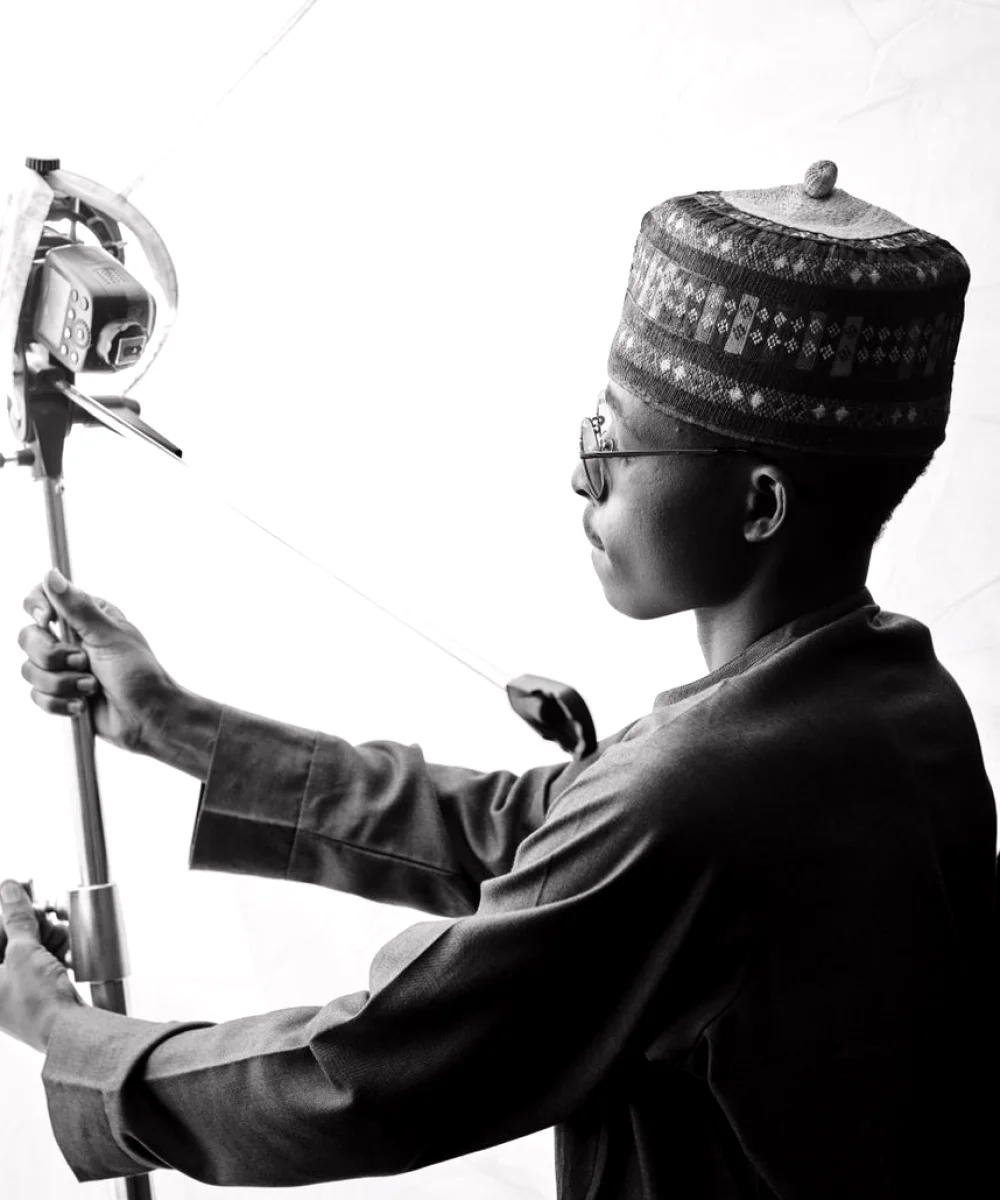
How a Lighting Plot Is Built, Rigged and Tuned Before the Presenter Arrives
A walk through the working day of a studio lighting plot, from the first sketch of the set to the last dimmer check before the presenter walks on.
-
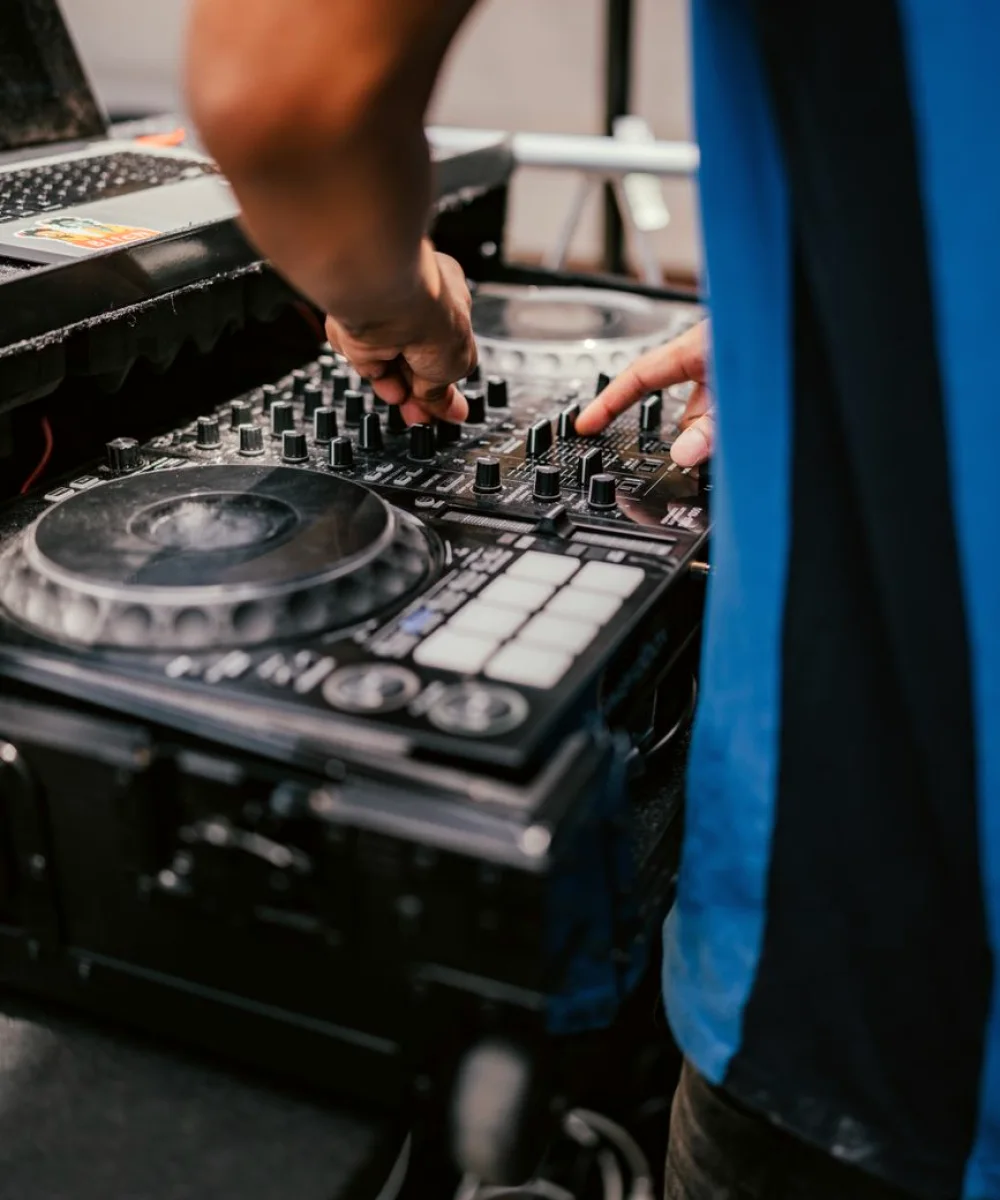
Why Does My Audio Drift Out of Sync With the Picture?
The question we hear most about audio synchronisation, answered plainly: where drift and lip-sync error come from, how to measure it, and what to change first in a studio chain.